Continuing with my excuse to read up on the crazy stuff in space, have a new video, on Black Holes, one of the most mysterious and the darkest objects in the universe.
Besides, singularity is a cool/fun word to say
Link: https://youtu.be/YPSMJiNQVyk
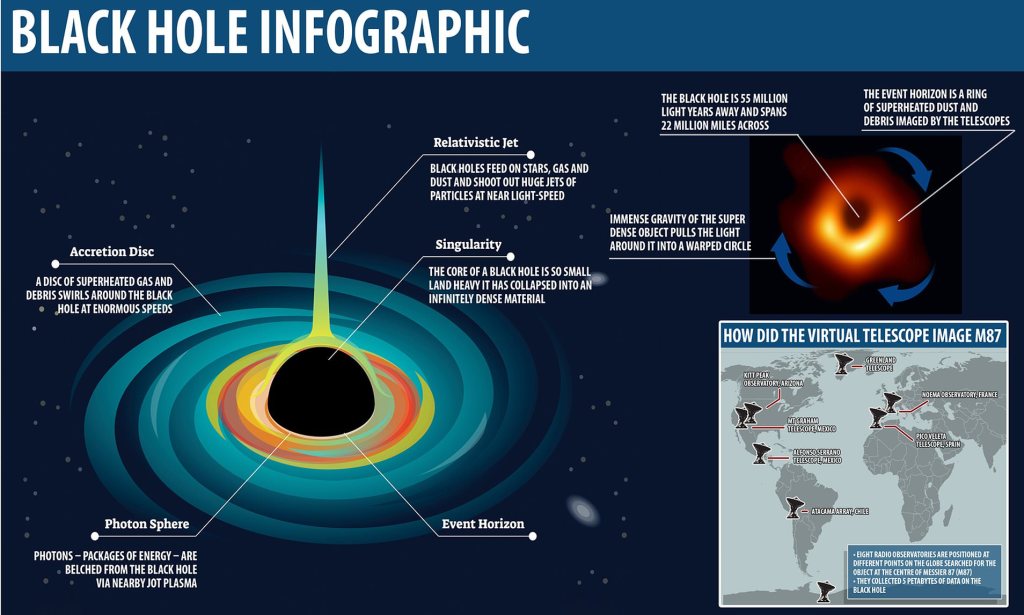
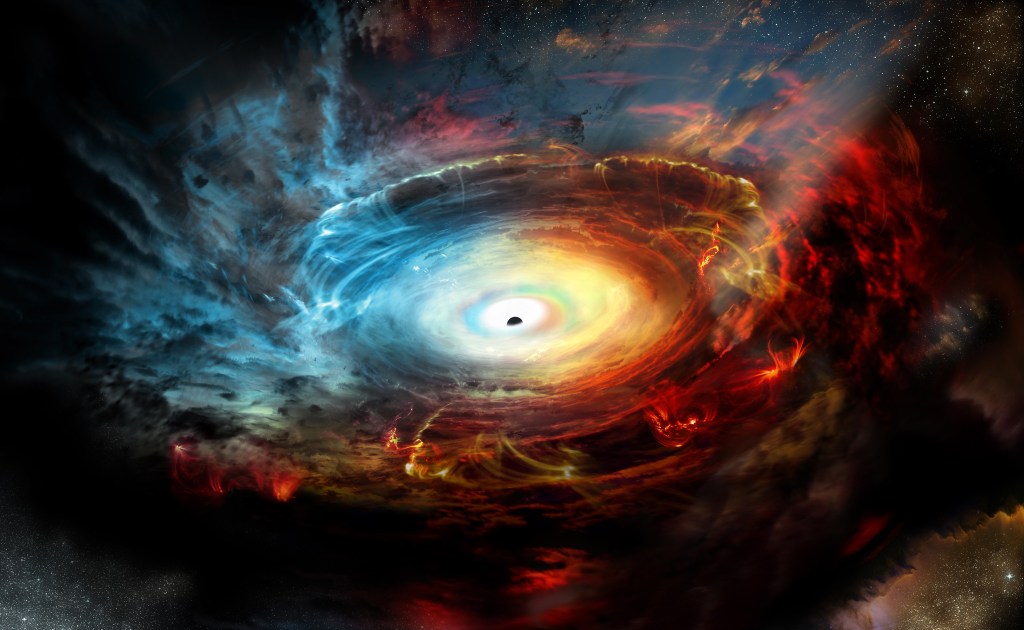
Black holes represents an oddity in space and the universe, they are singularities of mass. Representing points of immensely high density that is able to completely warp and break the law of physics and space time. Their massive gravitational fields make it so that no light, object or anything can escape the gravitational field of a black hole.
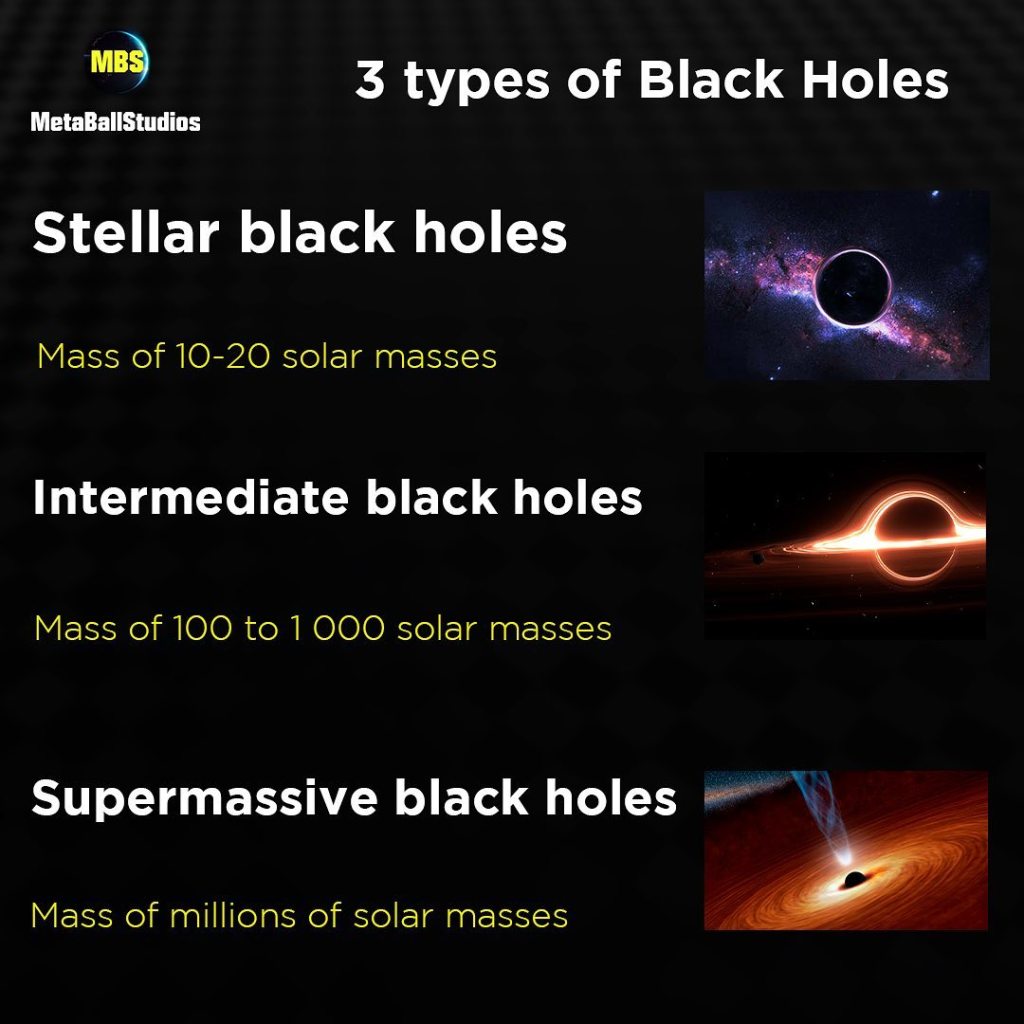
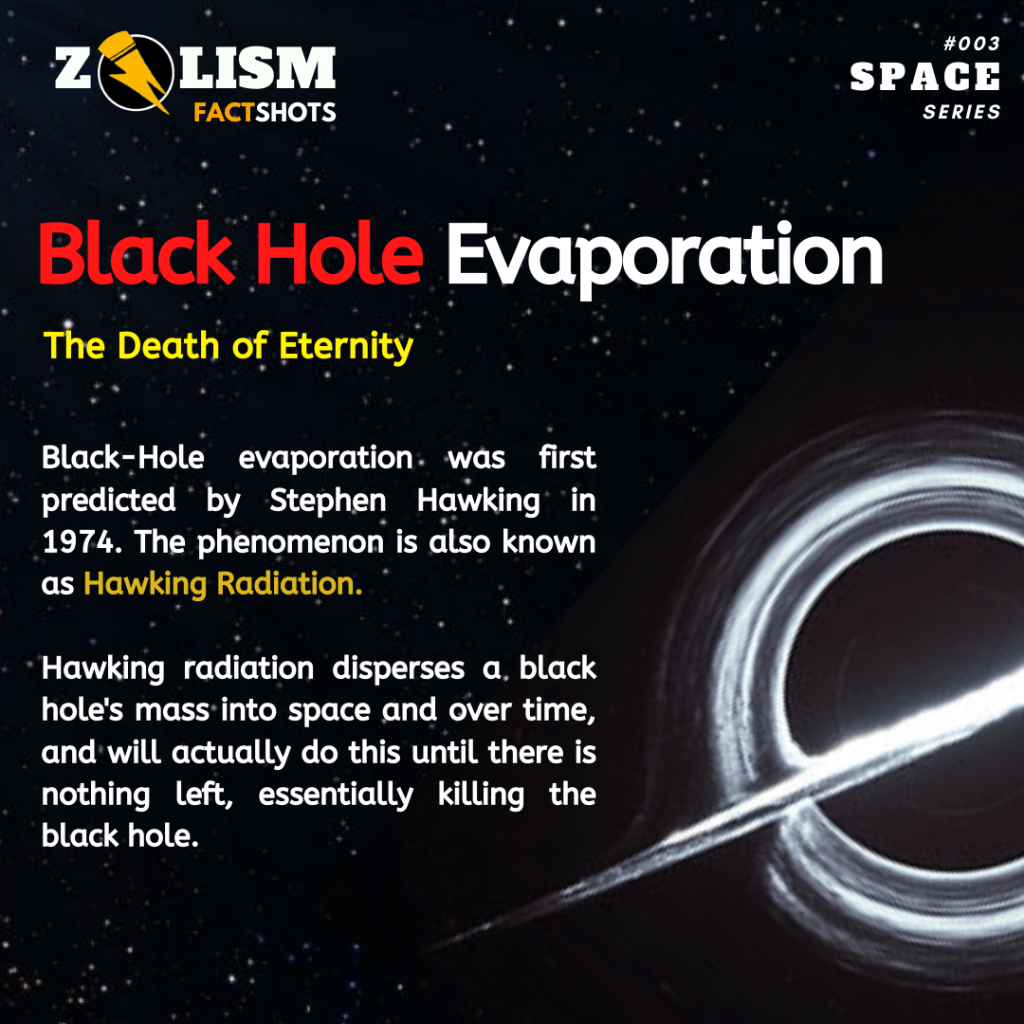
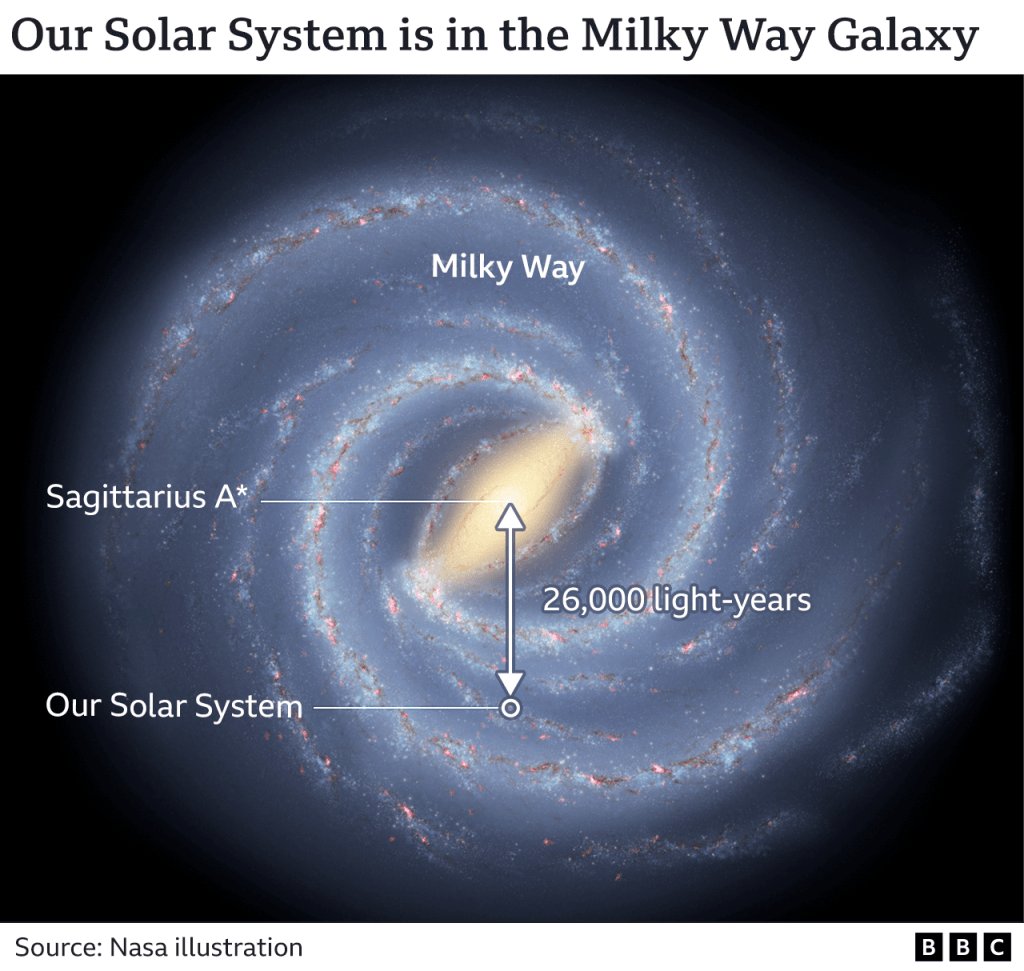
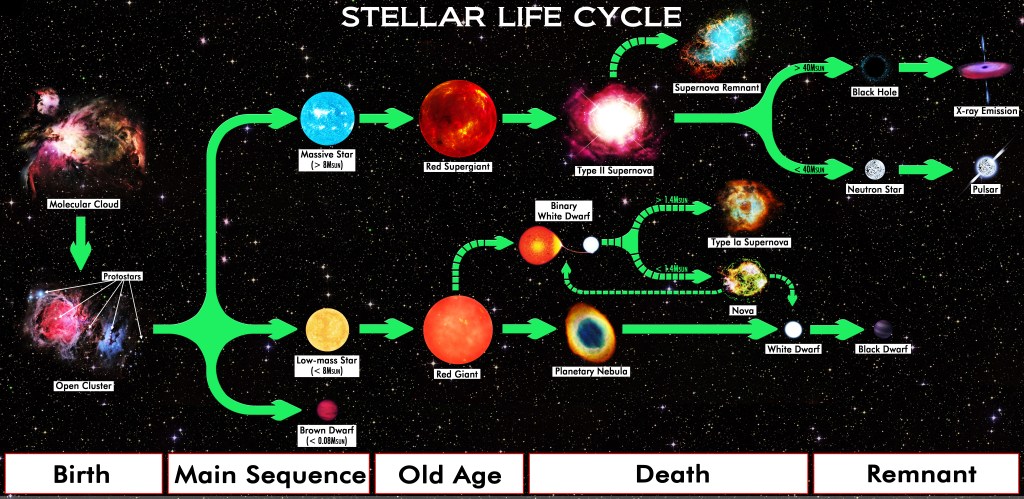
In this video, we’ll go over the basics of what black holes are, their physics, what types of black holes exists, the closest super massive black hole (Sagittarius A), Hawking radiation, Neutron Stars and their connection with black holes, Black holes in the media, how telescopes like the James Webb help, neutrinos and black holes, quasars (quasi stellar radio sources), and lastly, what happens if you fall into black holes.
I personally find black holes mesmerizing and fascinating due to how little we know about them, and how our understanding of physics and science breaks down when space time is so warped by intense gravitational field. The mass they represent is mind bogglingly huge, with super massive black hole can have masses beyond 1 billion solar masses!
So join us on a overview of what we know about the Darkest Objects in the universe, these mysterious singularities formed through space.


 Taco Banana